Finding Balance When The World Feels Heavy
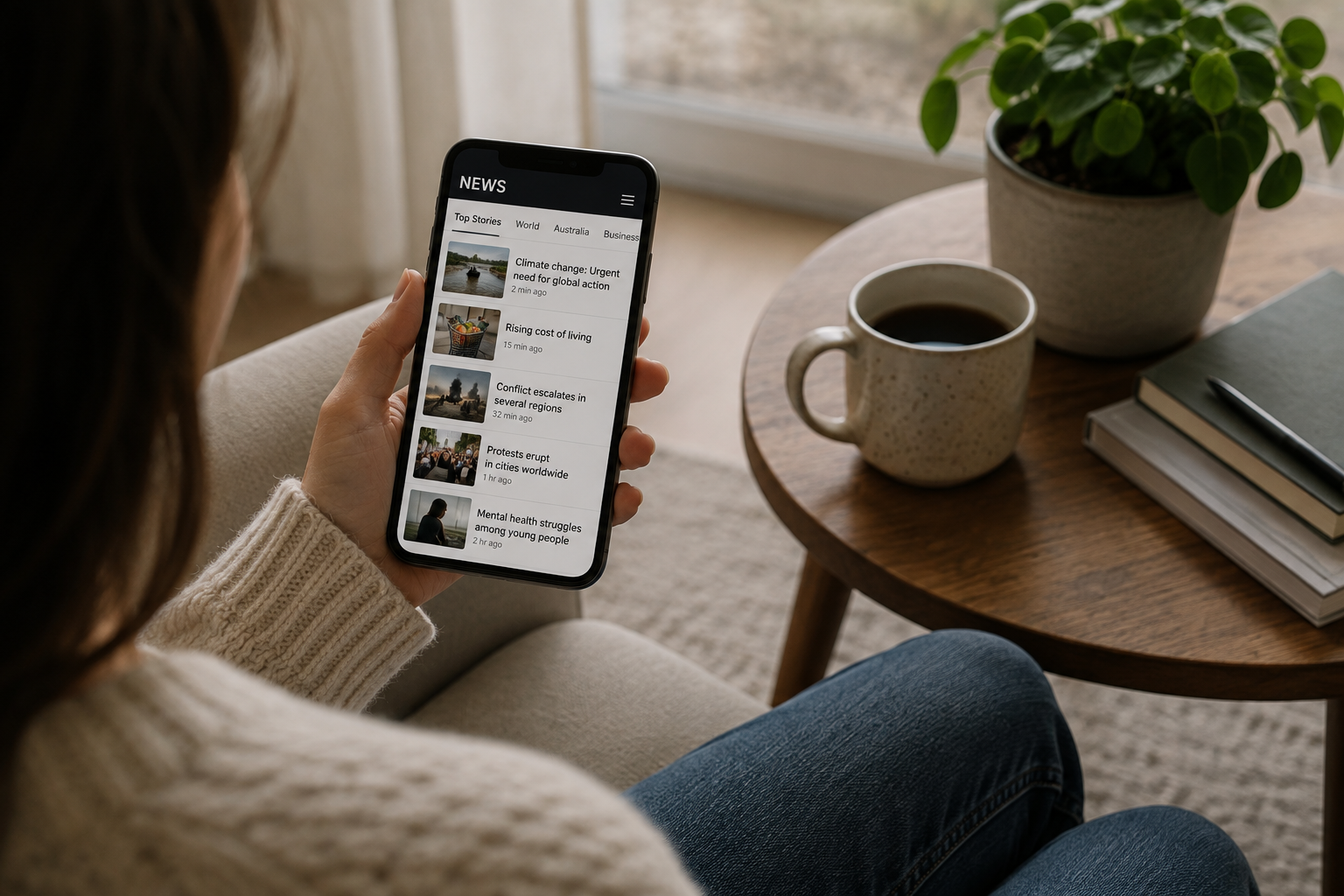
Painful emotions are a part of the human condition. Grief, anger, sadness, suffering, remorse, isolation, these are all recognisable feelings. However, in the current age of social media and constant connectivity, these feelings are becoming harder to escape. The endless scrolling between distressing global events, environmental concerns, social tensions, and stories of people struggling. We are consuming content and news at a rate we were never meant to. So how does that impact our mental health, and what can we do about it?
We've all heard the advice: switch off, take a break, meditate, distract yourself, there's nothing you can do. Unfortunately, for many of us, this advice is not realistic. In a culturally diverse country such as Australia, it is hard to find anyone who is not affected by the current newsfeed in some form. And for those who are not directly affected by what is happening around the globe, many people recognise within their own privilege a responsibility to stay informed and up to date.
In fact – sometimes the advice to switch off can be just as damaging. Avoidance is a common concept in psychology whereby an individual avoids an internal or external experience as a means of protecting oneself from painful emotions and sensations. While avoidance may seem effective at face value, the truth is that it can have a detrimental impact on the individual, and in the long-term, avoidance can strengthen our anxiety, make it harder to regulate our emotions, and can cause our brains to be less flexible in their thinking.
The following post explores how we can find balance and engage with social media and the news in a way that is meaningful.
Accepting Painful Feelings
As humans we're often encouraged to go into problem-solving mode and "fix" things. We are taught that pain is bad, and therefore we should not feel pain, or if we do feel pain we should look for anything possible to make it go away.
Imagine how it might feel to sit with that pain. Think about how the news makes you feel; not only does exposure to difficult events in the world make us feel sad or upset, it often makes us feel hopeless, powerless, and even detached.
Imagine what it might feel like to sit with these emotions. Name them and notice them, without judging them or pushing them away. Ask yourself why you are feeling this way. How does the pain you are feeling reflect your values? How does this pain reflect who you are as a person, or how you feel about the world?
It might feel tricky and uncomfortable but connecting with these feelings can help us to understand ourselves and the world better.
Community & Activism
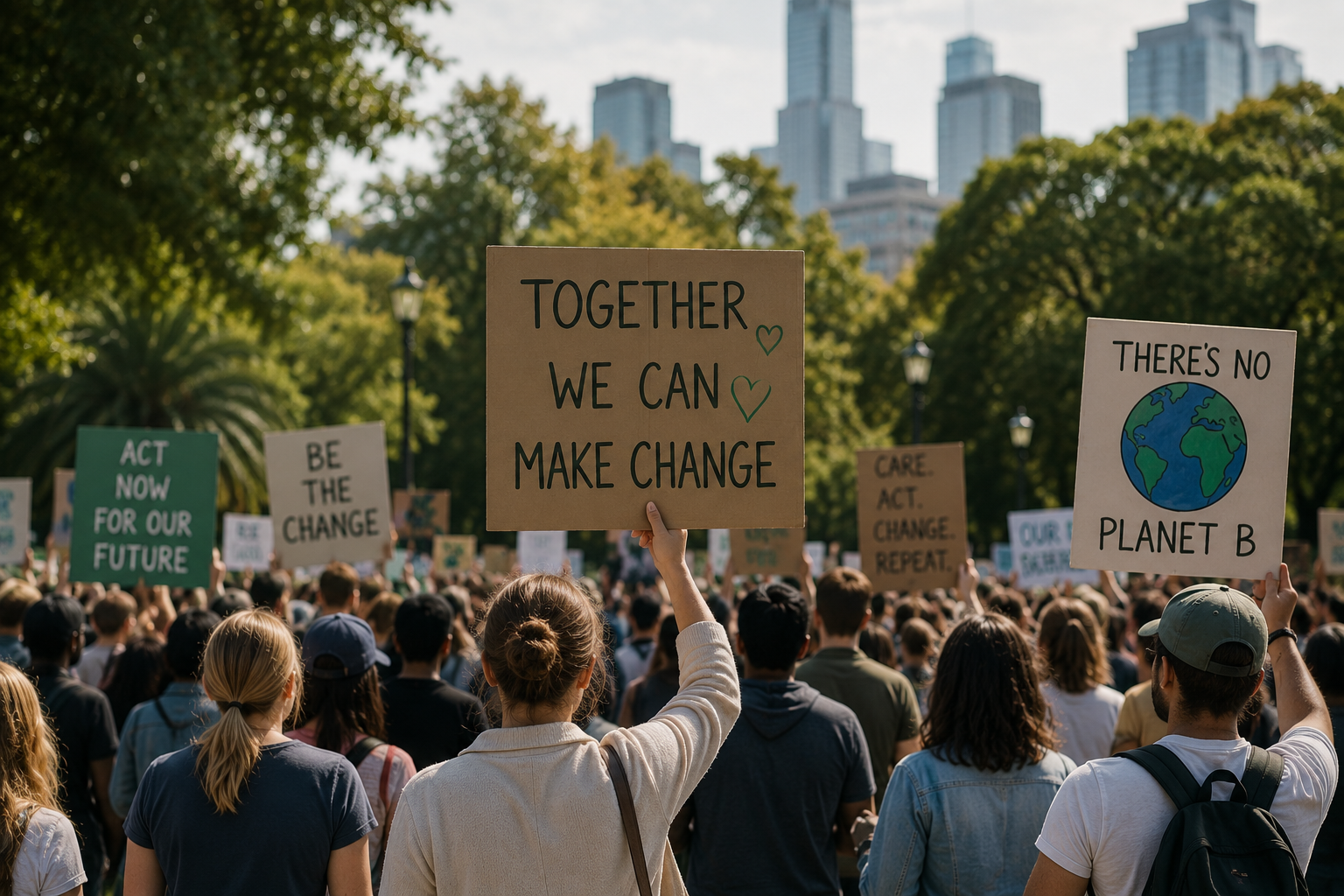
Once we've properly accepted and understood our feelings, we can ask ourselves what we want to do with those feelings. Tap into the personal values that are coming up as a reflection of your emotions about the world.
Feeling isolated and hopeless are two common feelings people experience when watching the news. It is easy to become connected with the thoughts that people can be unkind, or that there will be no positive change in the world. Engaging with the community and causes you care about can be a way to challenge these thoughts.
There are many different ways to meaningfully get involved that accommodate individual barriers people might have. These include joining local community or advocacy groups, attending rallies, writing to local authorities, and donating money or mutual aid.
These actions help counter feelings of helplessness by reinforcing your sense of agency and connection. They also provide collective buffering, a phenomenon where shared purpose and community support reduce the emotional burden individuals carry alone.
Rest & Self-Care

Rest is not a form of avoidance, but is a strategic way to ensure we look after ourselves and avoid feeling burnt out.
It is important to take meaningful breaks from the news and social media at times to look after ourselves and build our resilience.
This may involve setting healthy and realistic boundaries with social media or news consumption. For example, only checking the news at specific times throughout the day, muting notifications from news outlets, or curating your algorithms in specific apps in an aim to keep entertainment and news separate.
The ABC also have a webpage specifically for "Good News", which highlights positive or light news stories that often get lost amongst the noise.
Finally, mindful media consumption can be helpful in reducing the overwhelm often associated with social media and "doomscrolling". Try consuming one article or one video at a time and then reflecting on the thoughts, emotions and values it brought up for you, rather than flicking through a variety of stories in minutes.
The current climate may feel heavy, but you are not powerless.
Through acceptance, strategic rest, community engagement, and mindful media consumption, you can stay connected to your values and contribute meaningfully without sacrificing your wellbeing.
Written by Victoria Leach, Registered Psychologist