

GROUPS & WORKSHOPS
Group Programs & Webinars Talks & Training
Mind in Mind Psychology believes in providing education and awareness of mental health and neurodivergence, to increase understanding, self-management and access to appropriate support services.
Group Programs and Webinars
-
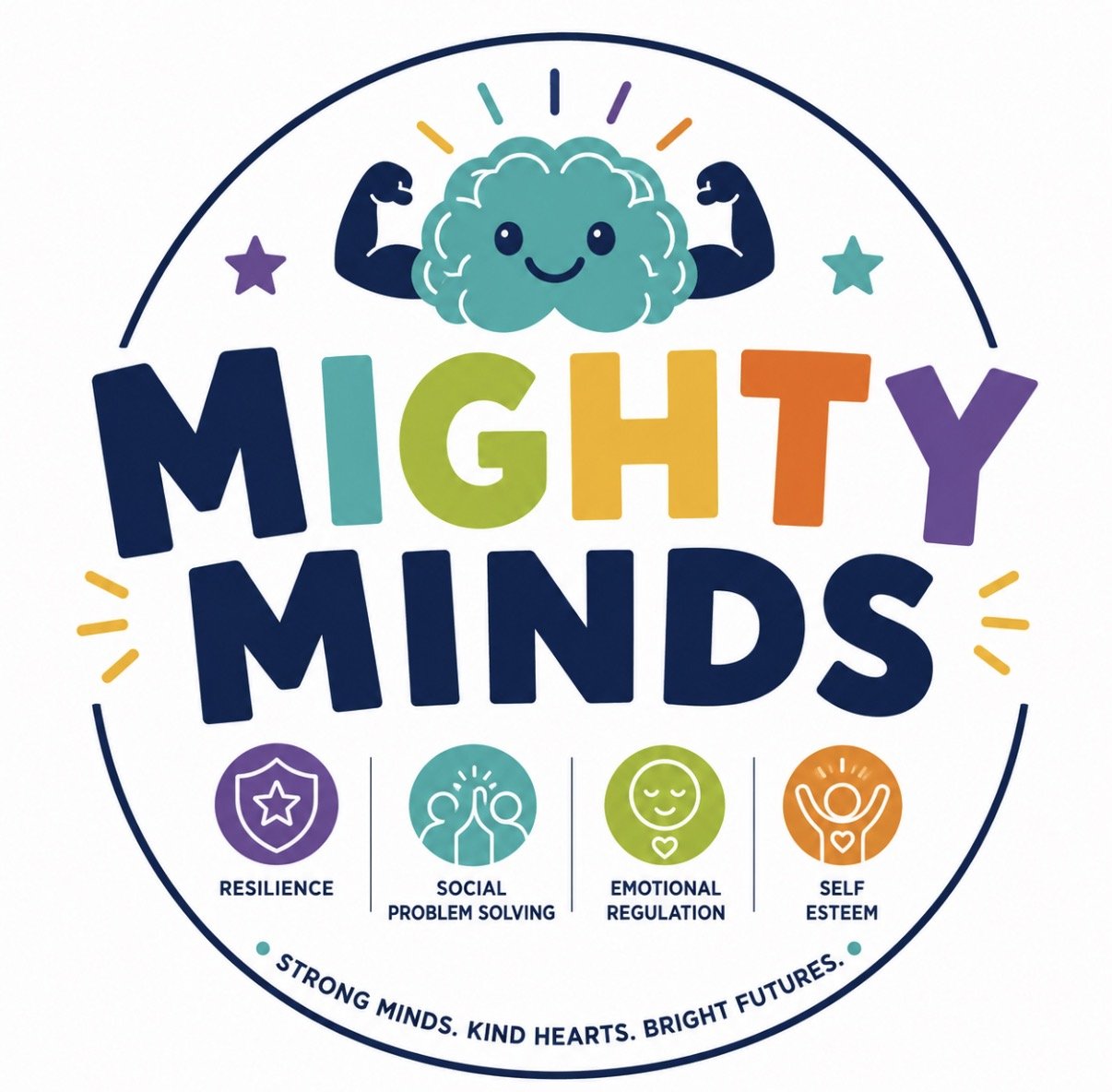
Mighty Minds: An 8-week Resilience Group Program
Help your child develop the skills they need to manage challenges, cope with big emotions, and build confidence in themselves. Through engaging activities and guided discussions, children learn practical strategies to understand their feelings, develop flexible thinking, strengthen problem-solving skills, and respond more effectively to stress. The group setting also provides a supportive space for children to connect with peers, practise skills, and realise they are not alone in their experiences.
Type: Therapy Group for Children (Grade 1 & 2)
-

DBT Skills Group (Adult)
Learn four core DBT skill sets in a small group setting:
Mindfulness – building awareness and presence in the moment
Emotional Regulation – understanding and managing emotions
Distress Tolerance – coping effectively with difficult situations
Interpersonal Effectiveness – improving relationships and communication
Type: Therapy Group
-

Polyvagal Parenting (Parents / Carers)
Drawing on principles from Polyvagal Theory, this 3-part group training will help parents understand why children react the way they do during stress and how connection, co-regulation, and safety can support their emotional development. Through practical strategies and real-life examples, you’ll learn how to recognise signs of dysregulation, respond in ways that calm the nervous system, and build stronger, more secure relationships with your child.
Type: 3x information sessions
-

Navigating an Autism Diagnosis (Parents / Carers)
Hear from a number of experts to learn all about autism and how to support your child, including:
Psychologist - learn about neurodivergence, emotional regulation and behaviour support
Speech Pathologist - learn about speech and language differences and social communication
Occupational Therapist - learn about sensory profiles and how to support your child
NDIS coordinator - for support with navigating the NDIS
Parent of neurodivergent children - understand family adjustments, how to support your child and how to work with kinder or schools
Type: 5x information sessions
Talks and Training
Our series of talks and training are suited to medical practitioners, kinder and schools, community groups and other health facilities. Please reach out if your preferred topic is not mentioned here and we will try to facilitate your request.
-

Child & Adolescent Development
Target audience: educators
Recognising and Responding to Neurodivergence in the Classroom – Learn to identify neurodivergent traits in students and create classroom strategies that support diverse learning and wellbeing.
Supporting Children’s Resilience in the Classroom – Help children develop emotional skills, coping strategies, and confidence to navigate life’s challenges.
Interpreting Cognitive Assessments – Practical guidance for understanding cognitive testing results and translating them into actionable insights for supporting clients’ learning and functioning.
-

Workplace Wellbeing & Professional Resilience
Target audience: workplaces
The Resilience Reset: Staying Regulated in a High-Demand Life – Tools to help busy, high-pressure professionals manage stress, regulate their nervous system, and live with greater focus and purpose.
Supporting Employees Through Domestic Violence – Practical strategies for workplaces to recognise, respond to, and support employees experiencing domestic and family violence.
Preventing Burnout in the Workplace (Polyvagal-Informed) – Learn how the nervous system responds to chronic stress and discover strategies to maintain wellbeing and avoid burnout.
-
Healthcare & Patient Support
Target audience: medical and healthcare, allied health, physical health settings (practitioners and clients)
Screening for Psycho-Social Wellbeing in Cancer Patients – Practical approaches for medical professionals to assess emotional and social wellbeing in cancer patients and identify those needing extra support.
Chronic Pain & Mental Health – Strategies for recognising the mind-body connection in persistent pain and supporting patients’ emotional and physical wellbeing.
Sleep, Stress, and Chronic Disease – Learn how sleep disruption, cortisol, and stress impact chronic illness and practical ways to support patients in primary care.
Strong Body, Regulated Mind – Discover how movement, stress hormones, and inflammation impact mental health, and practical ways to support mind-body wellbeing.